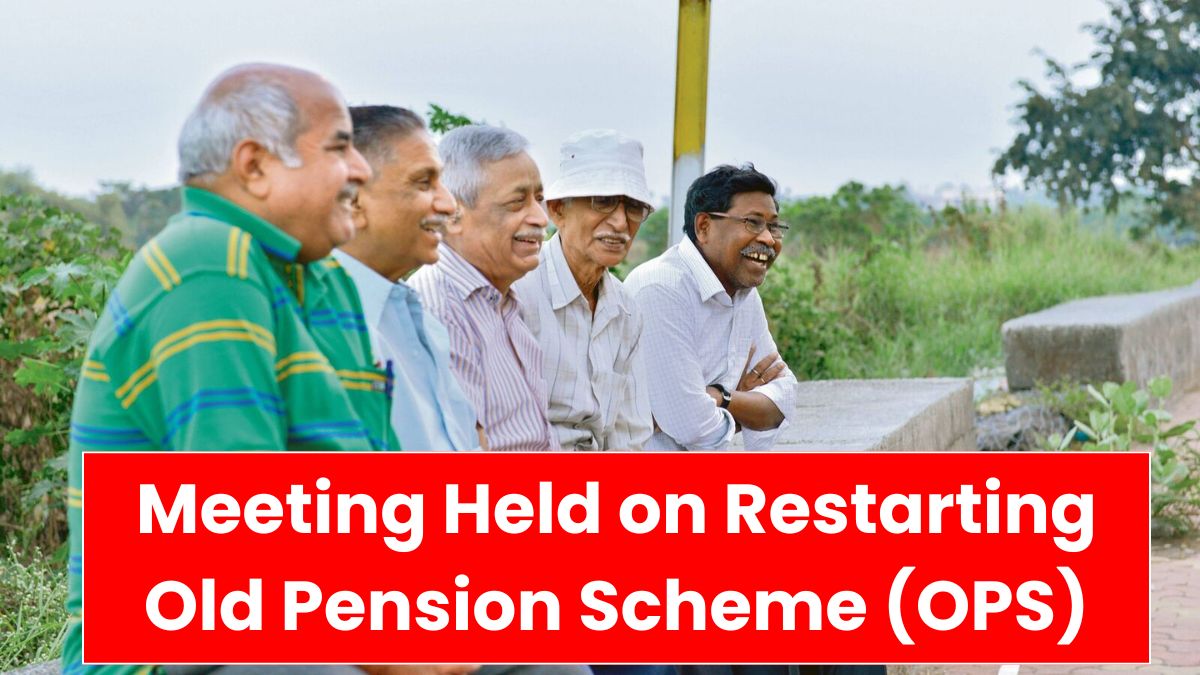
Pension Scheme Restarted – Across India, a wave of renewed optimism is sweeping through communities as the government prepares to launch a significantly upgraded pension scheme in 2026. Designed with the nation’s most financially vulnerable populations in mind — senior citizens, widows, persons with disabilities, and economically weaker sections — this revamped initiative promises more money, simpler processes, and wider reach than any pension program that came before it.
If you or someone in your family could benefit from government financial assistance, here is everything you need to know about this new scheme and how to take advantage of it.
Understanding the New Pension Scheme 2026
At its core, the New Pension Scheme 2026 is a social security initiative aimed at providing steady, reliable financial support to those who have no consistent source of income. Rather than building an entirely new framework from scratch, the government has taken a hard look at the shortcomings of existing pension programs and made meaningful reforms to address them.

The three pillars of this new scheme are:
- Direct monthly pension deposits straight into the beneficiary’s bank account — no middlemen, no delays
- Greater transparency through a fully digitized application and disbursement process
- Expanded coverage to bring in more eligible citizens who were previously left out
The overarching goal is straightforward: ensure that no elderly, widowed, or differently-abled Indian has to struggle alone without financial support.
What Are the Key Changes in This New Scheme?
The 2026 revision goes well beyond minor tweaks. Several structural changes have been introduced to make the scheme more responsive, accessible, and equitable:
यह भी पढ़े:
 Unified Pension Scheme 2026: Want a Secure Monthly Income After Retirement? Here’s How It Works
Increased pension amount: A proposal to raise the monthly pension has been put forward, with the final figures to be confirmed upon official government announcement.
Relaxed eligibility criteria: The qualifying conditions have been loosened, allowing a larger segment of the population to apply without unnecessary bureaucratic hurdles.
Digital-first application system: A streamlined online process now makes it possible for applicants to register from home, eliminating the need for repeated visits to government offices.

Periodic pension reviews: The pension amount will be reassessed at regular intervals to ensure it remains relevant and adequate in the face of rising living costs.
Who Is Eligible to Apply?
The scheme has been deliberately designed to reach those who need it most. The following groups are among the primary eligible beneficiaries:
- Senior citizens aged 60 years and above
- Widowed women with no regular income
- Persons with disabilities
- Individuals belonging to the Economically Weaker Section (EWS)
Importantly, both urban and rural residents across the country are welcome to apply. The government has made a conscious effort to ensure that geography does not become a barrier to receiving benefits.

How Much Could the Pension Amount Increase?
While an exact figure is yet to be officially confirmed, the government has signaled a meaningful upward revision in monthly pension payments. The proposed changes include:
- A general increase in the base monthly pension for all eligible categories
- Category-specific amounts, acknowledging that different groups have different needs
- Inflation-linked adjustments to be made periodically, so the real value of the pension does not erode over time
These revisions are expected to make a tangible difference in helping beneficiaries manage their daily expenses with greater dignity and ease.
How to Apply for the New Pension Scheme
The government has put considerable thought into simplifying the application experience. There are three convenient ways to submit your application:

Option 1 — Online Portal: Visit the official government pension website and complete the digital application form from the comfort of your home.
Option 2 — Government Office: Walk into your nearest designated government office, where staff will assist you through the process in person.
Option 3 — Common Service Centre (CSC): If you need hands-on guidance, your local Jan Seva Kendra (CSC) can help you apply quickly and correctly.

Documents Required:
- Aadhaar Card (identity and age proof)
- Bank account details (for direct pension transfer)
- Valid government-issued ID proof
- Recent passport-size photograph
Once your documents are verified and your application is approved, pension payments will begin flowing directly into your linked bank account every month.
How Will This Scheme Change Lives?
The practical impact of this scheme on ordinary households will be profound, particularly for those who have spent a lifetime in labor-intensive or informal work with no retirement savings to fall back on.
The most significant benefits include:

- A guaranteed monthly income, providing financial breathing room for daily needs like food, medicine, and utilities
- Reduced financial dependence on family members, allowing elderly citizens to retain their dignity and autonomy
- Improved overall standard of living for some of the country’s most marginalized communities
- Greater economic security that reduces stress and anxiety in old age
This scheme is not just a financial tool — it is a statement of national commitment to social justice and the well-being of every citizen.
Why Does Digital Integration Matter?
One of the most forward-thinking aspects of this revised scheme is its emphasis on digital infrastructure. By moving the process online, the government aims to achieve several important outcomes simultaneously:
- Faster processing of applications — what once took weeks may now be completed in days
- End-to-end transparency, allowing applicants to track their status in real time
- Reduced corruption by eliminating manual handling of funds
- Fewer office visits, saving applicants time, money, and physical effort
For those who are not comfortable with digital tools, in-person support at CSC centers remains available, ensuring that no one is left behind due to a lack of technological literacy.

What Does the Future Hold for This Scheme?
Policy experts and welfare analysts believe that the 2026 pension scheme is just the beginning of a longer reform journey. Looking ahead, potential future improvements could include:
- Further increases in pension amounts as the government’s fiscal capacity grows
- Inclusion of new beneficiary categories, such as daily wage workers or informal sector laborers
- Expanded digital services, including mobile app-based access and real-time grievance redressal
- Simplified renewal and update processes for existing beneficiaries
The scheme is designed to be a living policy — one that can evolve alongside the changing needs of the population it serves.
Important Tips Before You Apply
To make the most of this opportunity and avoid common pitfalls, keep these points in mind:

- Ensure all your documents are current and accurate — outdated or incorrect paperwork is the most common reason for application rejection
- Fill in your application carefully — small errors can cause significant delays
- Apply only through official channels — the government website, registered offices, or authorized CSC centers
- Stay informed — check back regularly for updates on pension amounts, eligibility changes, and deadlines
Frequently Asked Questions (FAQs)
Q1. Will this pension scheme be available across the entire country? Yes, the scheme is intended for all eligible citizens throughout India, covering both rural and urban areas.
Q2. What is the minimum age requirement to apply? Generally, individuals aged 60 years or older are eligible to apply. However, certain categories such as widows and persons with disabilities may have different age criteria.
Q3. Will the pension amount increase every year? The government has committed to periodic reviews of pension amounts, particularly in relation to inflation, though specific annual revisions will depend on official policy decisions.
यह भी पढ़े:
 From April 1, Online Payments Rules Change: RBI Introduces New System Beyond OTP Verification
Q4. Is it mandatory to apply online? No. While online applications are faster and more convenient, offline applications through government offices and service centers remain a fully valid option.