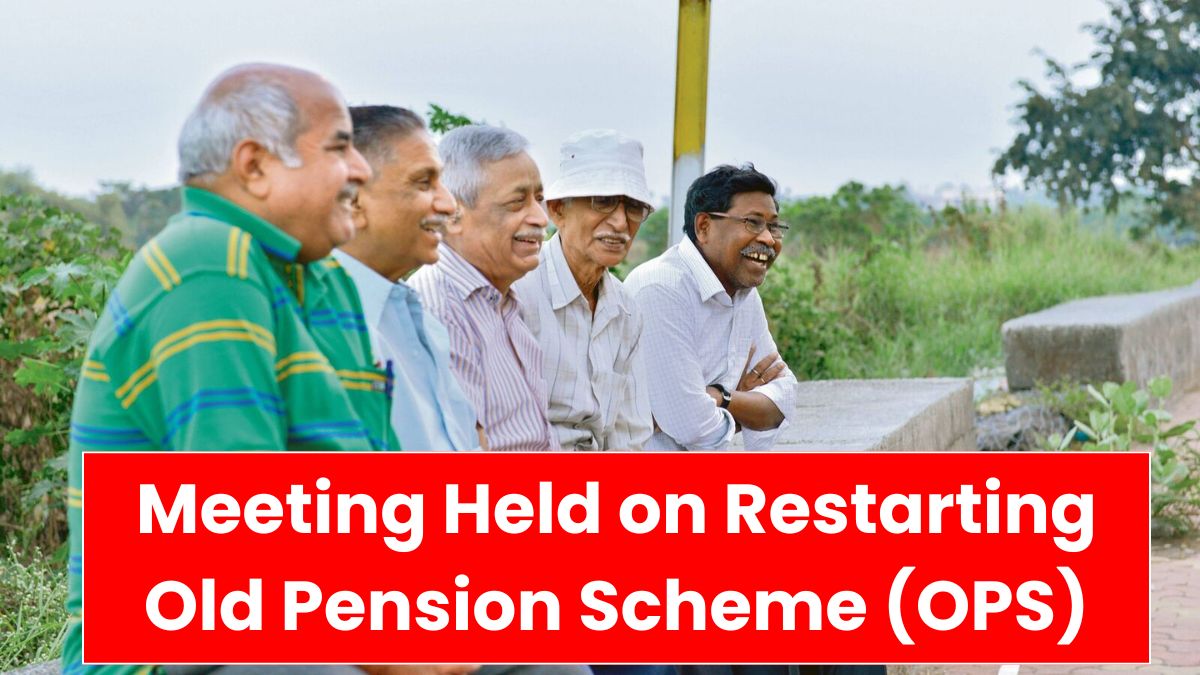
Senior Citizens – India’s elderly population is growing faster than ever, and with that growth comes an increasing need for structured, reliable support systems. Recognising this reality, the central government has put together a robust set of welfare programmes aimed at helping older adults maintain financial independence, access proper healthcare, and live with dignity. With the cost of living climbing steadily and life expectancy on the rise, these initiatives have moved from being supplementary support to becoming essential pillars for millions of retired and ageing citizens across the country.
Beyond just providing monetary relief, these schemes are designed to foster a sense of confidence and self-reliance among senior citizens. Whether through secured pension arrangements, subsidised medical facilities, or dedicated savings instruments, the government’s approach addresses multiple dimensions of elderly welfare simultaneously. Here’s a comprehensive breakdown of the most significant programmes currently available.
Pradhan Mantri Vaya Vandana Yojana: A Reliable Pension for Retirees
For senior citizens seeking a dependable, government-backed income during retirement, the Pradhan Mantri Vaya Vandana Yojana — administered by the Life Insurance Corporation of India — stands out as a well-established option. Open to individuals aged 60 and above, the scheme allows investments ranging from approximately ₹1.62 lakh to ₹15 lakh, with a guaranteed return of around 7.4% annually over a 10-year period. Pension payouts can be received monthly, quarterly, every six months, or once a year, depending on the investor’s preference.

What makes this scheme particularly appealing is the government guarantee underpinning it. Unlike market-linked products, PMVVY is insulated from economic fluctuations, offering retirees the kind of predictability they need to manage regular expenses. Emergency withdrawal provisions and LIC’s extensive branch network across the country make the scheme both accessible and flexible for elderly citizens in every region.
Integrated Programme for Senior Citizens: Care Beyond Financial Support
The Integrated Programme for Senior Citizens, overseen by the Ministry of Social Justice and Empowerment, takes a broader welfare-centred approach. Rather than focusing solely on finances, this initiative addresses the daily living needs of elderly individuals who lack adequate family support or economic resources. It funds the establishment and operation of old age homes, day-care facilities, and mobile health units, with the central government covering up to 90% of operational costs for states and partner voluntary organisations.
Rapid urbanisation has meant that many older adults are increasingly isolated, with younger family members migrating to cities for work. IPOP directly responds to this social shift by creating structured care environments where elderly individuals can receive shelter, nutritious meals, healthcare, and meaningful social engagement. The inclusion of recreational activities and community interaction programmes recognises that mental well-being is just as important as physical health — a thoughtful dimension often absent in purely financial welfare schemes.
यह भी पढ़े:
 Unified Pension Scheme 2026: Want a Secure Monthly Income After Retirement? Here’s How It Works
Pradhan Mantri Shram Yogi Maandhan: Pension Coverage for Informal Workers
A significant gap in India’s social security framework has historically been the exclusion of unorganised sector workers — daily wage earners, domestic helpers, street vendors, construction labourers, and similar groups who spend their entire working lives without access to provident funds or formal retirement plans. The Pradhan Mantri Shram Yogi Maandhan Yojana was specifically built to address this gap.
Workers between the ages of 18 and 40 can enrol and contribute a modest monthly amount — anywhere between ₹55 and ₹200, scaled to their entry age. The government contributes an equal matching amount. Upon turning 60, the beneficiary receives a fixed monthly pension of ₹3,000. While the amount may seem modest, for individuals whose livelihoods have always been informal and irregular, it represents a meaningful and guaranteed safety net during old age — something many in this segment have never had access to before.
National Programme for Health Care of the Elderly: Addressing the Medical Burden
Healthcare is perhaps the most pressing concern for older adults in India. Chronic conditions such as hypertension, diabetes, arthritis, and neurological disorders are increasingly prevalent in the ageing population, and medical expenses can rapidly erode retirement savings. The National Programme for Health Care of the Elderly, run by the Ministry of Health and Family Welfare, was designed specifically to ease this burden.

The programme establishes dedicated geriatric units at district hospitals, staffed by trained specialists, and provides free consultations, medicines, physiotherapy sessions, and psychological counselling. Mobile medical units extend these services to areas where elderly citizens cannot easily travel to hospitals. By making specialised care available at no cost, NPHCE not only reduces financial strain but also encourages earlier diagnosis and better long-term health outcomes — contributing to the broader national vision of healthy, active ageing.
Senior Citizens Savings Scheme: Safe Returns With Tax Advantages
Among the various financial instruments tailored for retirees, the Senior Citizens Savings Scheme consistently ranks as one of the most preferred options. Offering an interest rate of approximately 8.2% per annum — considerably higher than what most conventional bank fixed deposits offer — the scheme allows investments of up to ₹30 lakh for a base tenure of five years, extendable thereafter. It is available through post offices and designated banks, ensuring wide geographic accessibility.
Interest is paid quarterly, providing a steady and predictable cash flow that helps retirees manage recurring household expenses. The scheme is fully backed by the Government of India, meaning there is no counterparty risk. An added advantage is the eligibility for tax deductions of up to ₹1.5 lakh under Section 80C of the Income Tax Act, making it not just a safe investment but also a tax-efficient one.

Additional Benefits: Smaller Perks That Make a Real Difference
Beyond the flagship schemes, the government extends a range of supplementary benefits to ease day-to-day life for senior citizens. Higher income tax exemption thresholds and enhanced deductions on health insurance premiums under Section 80D provide meaningful financial relief. Discounted fares on railways and airlines reduce the cost of travel, particularly important for those who travel frequently for medical appointments or family visits.
A dedicated 24/7 elder helpline — reachable at 14567 — provides immediate assistance for emergencies or welfare-related queries. The government’s “Ageing with Dignity” portal consolidates scheme information and simplifies the application process, making it easier for elderly citizens and their families to navigate available entitlements. Taken together, these add-ons complement the major schemes and reflect a holistic, multi-layered commitment to ensuring that India’s senior citizens can age with security, respect, and peace of mind.